Why Sellers Choose Us for Specialty Listings
When it comes to listing unique properties—horse farms, historic homes, country estates, and rural retreats—our expertise sets us apart. Through our network of specialized websites, we give your property targeted exposure to the right buyers. With professional photography, compelling storytelling, and strategic digital marketing, we present your property in its best light.
As listing agents, we go beyond MLS syndication. We leverage high-ranking niche platforms, a qualified buyer database, and personalized outreach to ensure your property stands out in a competitive market. From pricing strategy to closing, we provide hands-on guidance every step of the way. If your property is one-of-a-kind, your representation should be too—and that’s where we excel.
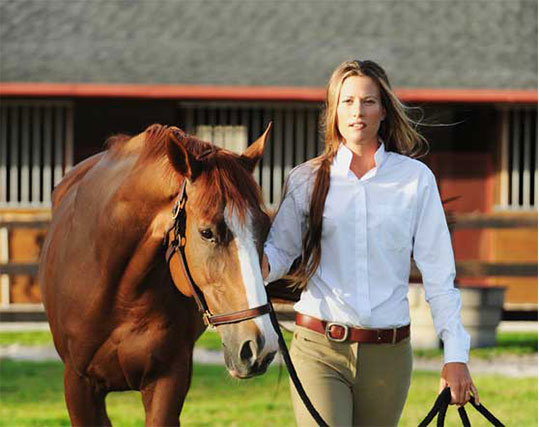 Charlottesville Horse Farms
CharlottesvilleEquestrianProperties.com is the premier destination for those in search of horse farms and equestrian estates in Central Virginia. Crafted specifically for equestrian enthusiasts, the site features properties designed to meet the unique needs of horse owners. Explore CharlottesvilleEquestrianProperties.com to find the perfect setting for your equestrian lifestyle.
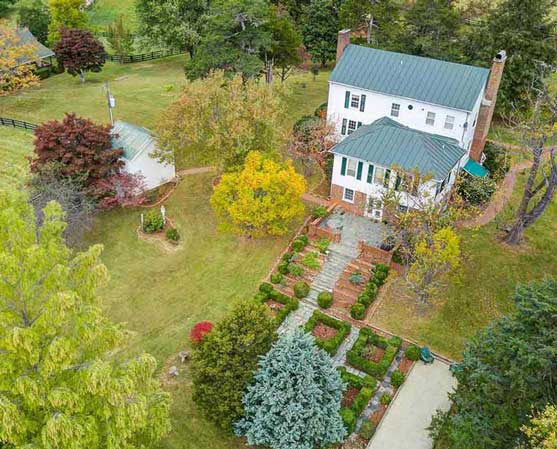 Virginia Historic Homes
VirginiaHistoricEstates.com specializes in showcasing and selling historic homes and estates throughout Central Virginia, focusing on properties built before 1940. Featuring timeless residences with rich history and architectural charm, this site offers buyers and sellers expert representation in the distinctive market of historic properties.
 Virginia Country Living
VirginiaCountryLiving.com is our dedicated seller platform for showcasing exceptional Central Virginia properties. Specializing in equestrian farms, historic homes, and country estates, the site highlights distinctive listings through targeted marketing strategies designed to reach qualified buyers and maximize visibility. Backed by expert representation and proven results, VirginiaCountryLiving.com ensures your property achieves its fullest potential in today’s competitive real estate market.
From our exclusive country home and farm listings to sought-after off-market properties across Central Virginia, we combine unrivaled market access with exceptional marketing to make your property shine. Backed by McLean Faulconer’s powerful regional and national advertising presence—and strengthened by collaboration among the firm’s top-producing agents, we offer our clients the advantage of true teamwork over single-agent representation. Bridget Archer & Pam Dent, McLean Faulconer, Inc.
Get in Touch
Sellers & Buyers Like You Love Working with Us!
"An amazing job listing our horse farm!"
Seller Review Albemarle Horse Farm The team of Bridget Archer and Pam Dent did an amazing job listing our horse farm. Their photography, videos, and property description truly captured the beauty and charm of our farm. We requested that they be there for every showing to safeguard our horses and they always came through. We felt fortunate to have gotten the property sold at virtually the price at which it was listed, even during an unpredictable market period, and it was the tireless efforts of Bridget and Pam that made it happen. We are very grateful!!
"I had an excellent experience with Bridget Archer and Pam Dent"
Seller Review Amherst Horse Farm I had an excellent experience with Bridget Archer and Pam Dent as my realtors! These ladies are very professional! They took care of everything, and made me feel heard. They had the knowledge and experience to take care of all aspects of the sale.
"Pam and Bridget demonstrate talent in attracting prospective buyers”
Seller Review Luxury Country Home Pam Dent and Bridget Archer are, without a doubt, excellent examples of the professionalism. Their obvious dedication to their profession, and willingness to “go the extra mile” are keys to their success in supporting clients seeking to sell their homes. In addition to their extensive knowledge of the market and the details of the selling procedures, Pam and Bridget demonstrate talent in attracting prospective buyers and achieving excellence in the selling process. In the successful sale of our home, we greatly benefited from our association with them. Thank you both.